LIFE CYCLE ASSESSMENT (LCA)

LIFE CYCLE ASSESSMENT (LCA)
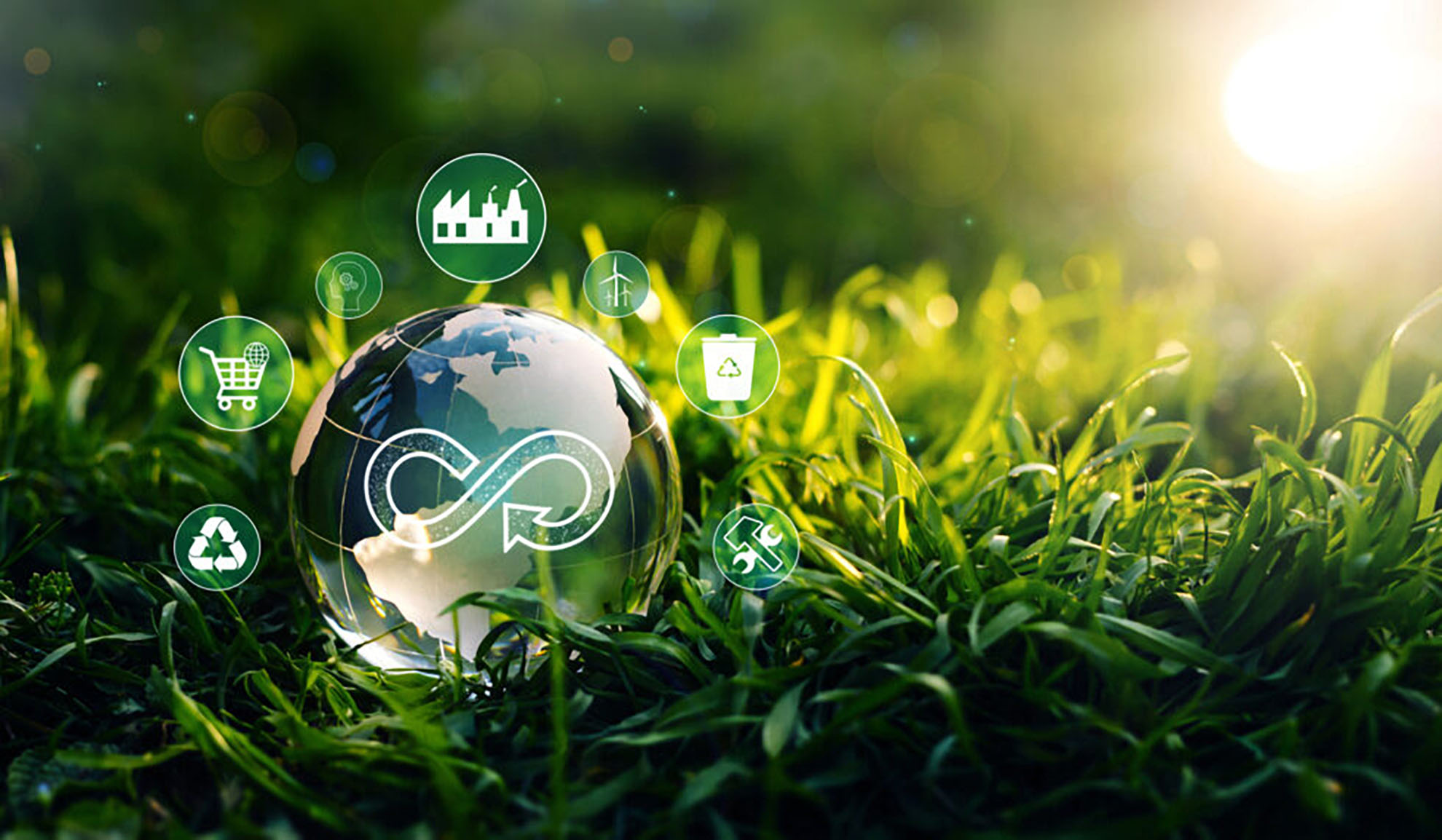
Life Cycle Assessment (LCA) is a scientific method used to evaluate the environmental impacts of a product, process, or service throughout its entire life cycle. This includes every stage—from raw material extraction, manufacturing, distribution, and usage, to disposal or recycling. LCA helps identify opportunities to improve environmental performance and supports sustainable decision-making.

By examining each phase of a product’s life, LCA quantifies energy consumption, greenhouse gas emissions, water usage, and waste generation. It provides a “cradle-to-grave” perspective, enabling industries to understand where environmental hotspots occur and how to minimize them. For instance, a manufacturer might discover that raw material sourcing has a larger carbon footprint than the production phase, guiding them toward greener materials.

Key Features of Life Cycle Assessment (LCA):

Cradle-to-Grave Analysis

LCA evaluates the complete life cycle of a product—from raw material extraction (cradle) to disposal or recycling (grave).

Quantitative Assessment

It uses data to measure environmental impacts such as carbon emissions, energy use, water consumption, and waste generation.

Multi-Stage Evaluation

LCA assesses every stage of the product life cycle, including production, transportation, usage, and end-of-life treatment.

Environmental Impact Categories

It analyzes various impact areas like global warming potential, ozone depletion, acidification, eutrophication, and resource depletion.

Objective Decision-Making Tool

LCA supports data-driven decisions for sustainability in product design, manufacturing, and supply chain management.

Comparative Capability

It allows comparison between products or processes to identify the more environmentally friendly option.

Generate Your Enquiry